
Separate the objective from the metric
KPI design is not a spreadsheet full of numbers. First define the result management wants to change and the process influencing it. Revenue is an outcome; repeat purchases or progression through sales stages may help explain it. Start with a small set of decision-useful measures.
Write a KPI card
Record its name, purpose, unit, period, formula, source, calculation owner and accountable manager. Specify inclusions and exclusions. For conversion, define which eligible opportunities form the denominator of successful deals. This is an explanation of calculation, not a claimed customer result.
Establish a baseline
Do not invent a target. Calculate comparable periods, note missing data and seasonality, and trial collection if data is unavailable. Targets should relate to what the accountable team can influence; identify external factors separately.
Balance the measures
Speed alone can increase errors and rework. Sales volume alone can obscure margin and collection time. Review outcomes, quality and process measures together and avoid contradictory targets for the same task.
Reconcile a pilot
Choose one team and a limited set. A second person using the same data should reproduce the calculation. Investigate definitions, sources and date boundaries when results differ. Version formula changes and explain their effect on historical comparisons.
Make reviews lead to action
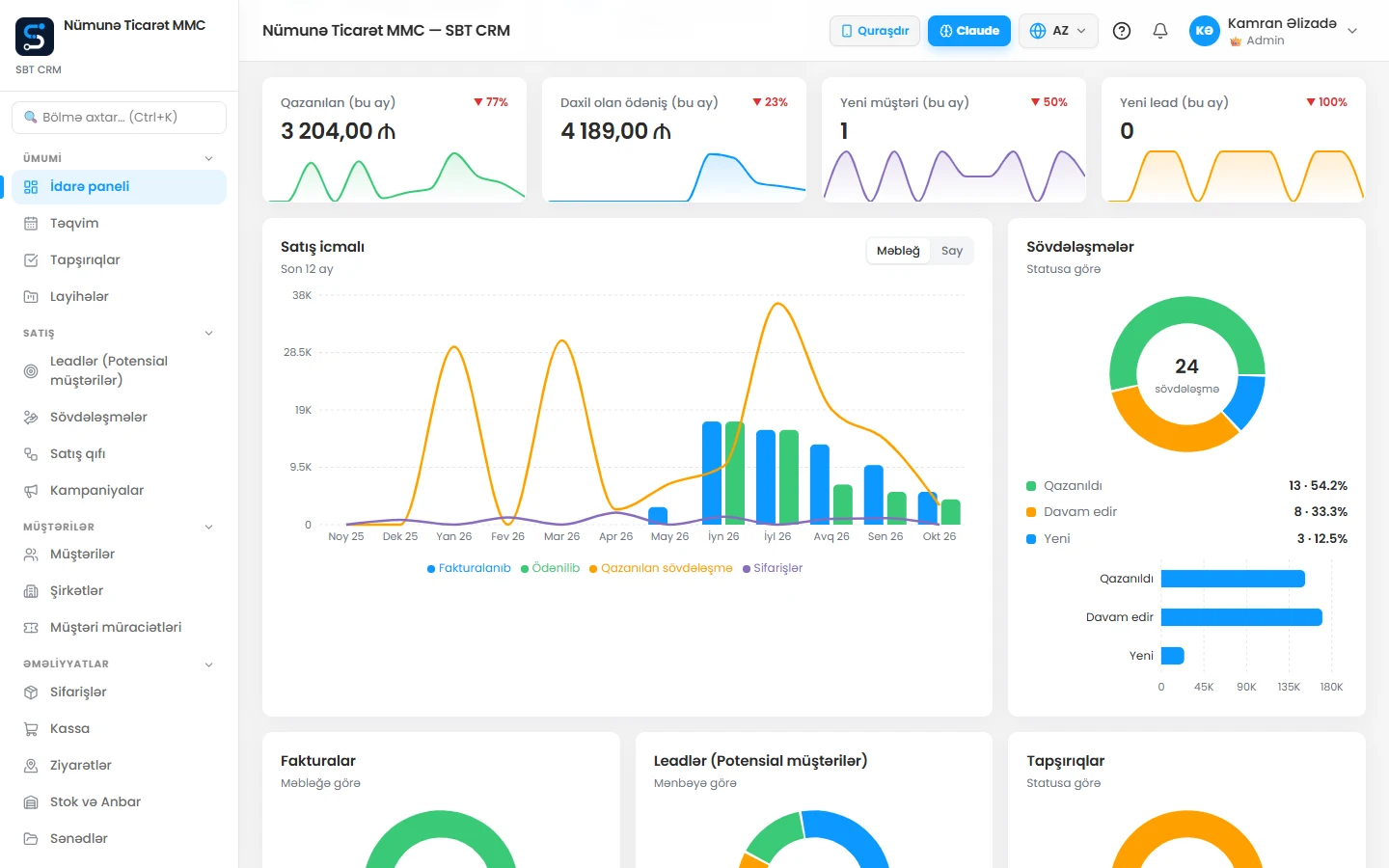
Do more than display red and green cells. Record the cause, decision, owner and due date. Revisit previous actions at the next review. A dashboard supports accountability but does not replace definitions. Check calculation reliability and unintended incentives before tying KPIs to rewards.
Where to begin
Agree a metric dictionary, cascaded goals and review rhythm through strategy and performance consulting. Explore BI solutions for reporting and the KPI introduction for basic definitions.